Health benefits of sourdough bread
Sourdough bread is a fermented grain product that may offer digestive and metabolic advantages compared to conventional breads. Its natural fermentation process can enhance nutrient availability and reduce certain antinutrients.
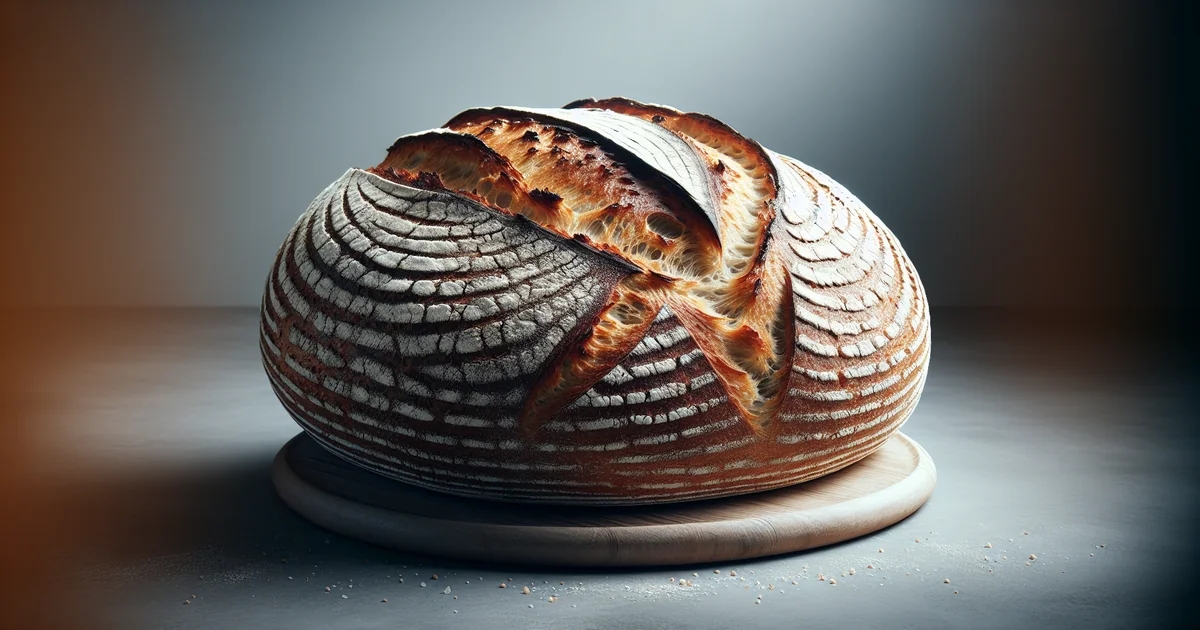
Health benefits
- Easier digestion due to pre‑fermentation of gluten
- Lower glycemic index compared to refined breads
- Rich in prebiotic fiber that supports gut microbiota
- Contains naturally occurring lactic acid bacteria that may act as probiotics
- Higher levels of B vitamins and minerals such as iron and zinc
- Potentially reduced levels of phytates, improving mineral absorption
Risks and side effects
- Contains gluten, which can trigger symptoms in celiac disease or gluten sensitivity
- May cause bloating or gas in some individuals due to fermentation byproducts
- Can be higher in sodium depending on recipe
- None known for mild, well‑prepared sourdough
Best Way to Eat
Sourdough bread can be consumed in a variety of ways, and its slightly sour taste makes it a good companion to many dishes. It's often used for sandwiches or served alongside soups and salads. Toasting the bread can enhance its flavor and make its texture more appealing. As for maximizing nutrition, sourdough bread is a good source of probiotics due to the fermentation process. Consuming it with healthy fats, such as avocado or olive oil, can help increase the absorption of nutrients. If the bread is made from whole grains, it also provides dietary fiber.
FAQ
Is sourdough better for blood sugar control than regular bread?⌄
Studies suggest that sourdough’s fermentation can lower the bread’s glycemic response, but individual results vary and it should not replace medical treatment.
Does sourdough bread contain probiotics?⌄
The fermentation process introduces lactic acid bacteria, but most of these are destroyed during baking; the bread may still provide prebiotic benefits.
Can I eat sourdough if I have gluten sensitivity?⌄
Sourdough contains gluten, though fermentation may reduce its quantity. People with celiac disease should avoid it, while those with non‑celiac gluten sensitivity may tolerate it in moderation.
People Also Check
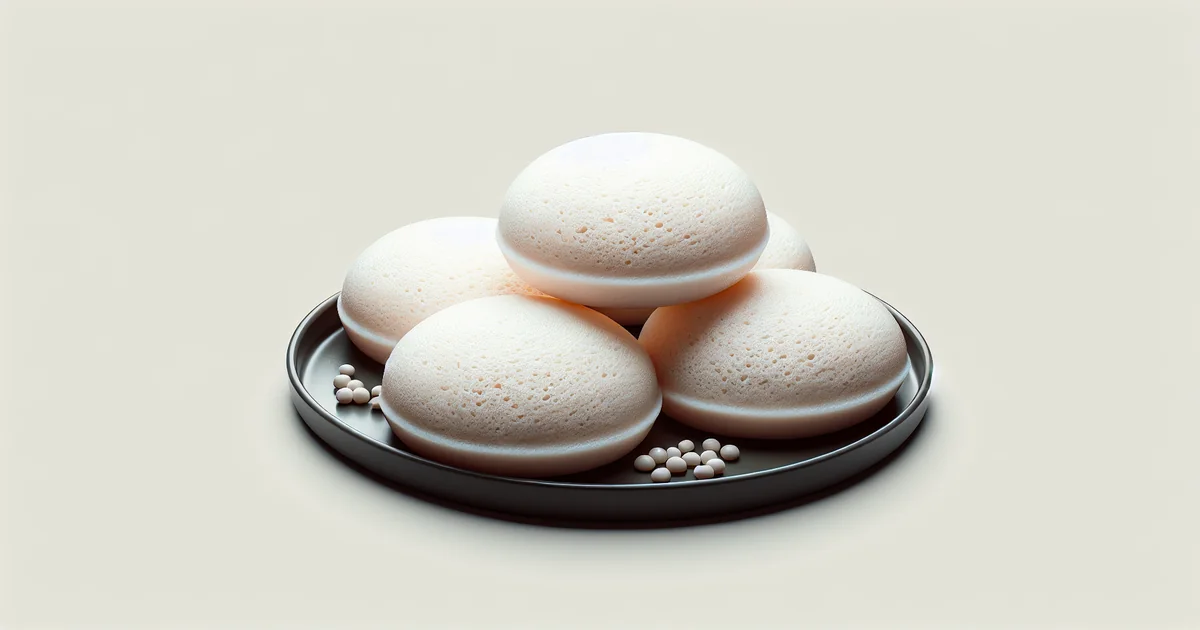
Health Benefits of Idli (Fermented Rice/Lentil Cakes)
Idli is a traditional South Indian dish made from fermented rice and lentils, offering a range of nutrients and gut-friendly properties.
Learn more →
Health Benefits of Dosa (Fermented Crepe)
Dosa, a fermented crepe made from rice and lentils, offers a balanced source of protein, fiber, and probiotics, supporting digestion and gut health. Its fermentation process can enhance nutrient bioavailability and reduce anti-nutrients.
Learn more →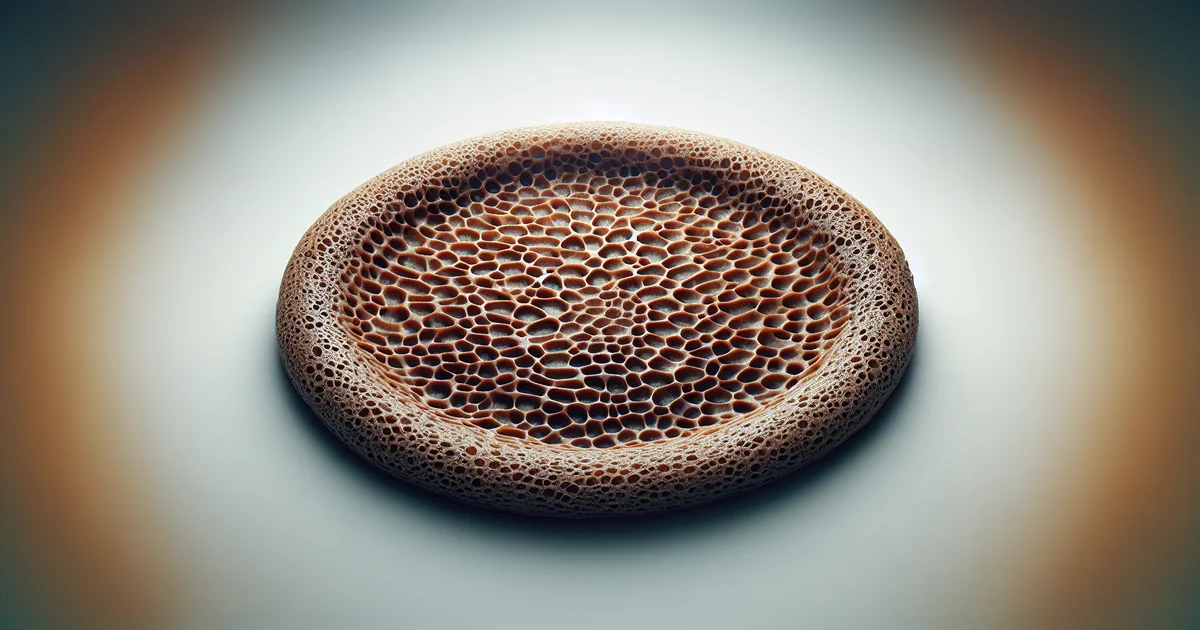
Health Benefits of Injera: Fermented Teff Flatbread
Injera is a fermented flatbread made from teff flour, offering a range of nutritional properties supported by scientific studies. Its fermentation process can enhance digestibility and provide beneficial nutrients.
Learn more →